Search Results
225 results for william the conqueror
Page
Walking Guide: Castle Acre Priory and Castle Circular Walk
Walking Guide: Castle Acre Priory and Castle Circular Walk
News
Bolsover Castle Rated English Heritage's Spookiest Site by Staff
Bolsover Castle in Derbyshire has topped the list of English Heritage’s ten spookiest sites, as voted for by members of staff across the charity’s 400 plus castles and abbeys, historic houses and palaces.
Property
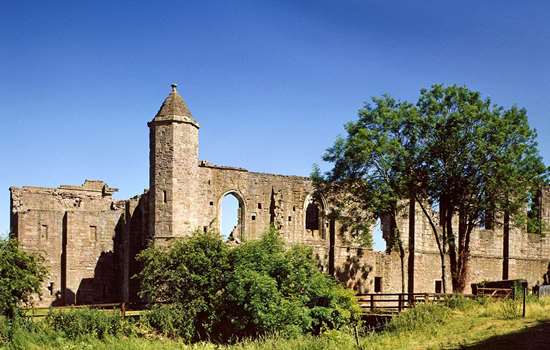
The ruined hall and chamber of a fortified manor house of the powerful Percy family, dating mainly from the 14th and 15th centuries. Its undercroft is cut into a rocky outcrop.
Page
History of Wharram Percy Deserted Medieval Village
The history of Wharram Percy Deserted Medieval Village, which flourished during the 12th and 14th centuries and was abandoned soon after 1500.
Page
Castle Acre is a rare and complete survival of a Norman planned settlement, including a castle, village, parish church and one of the best preserved monastic sites in England. The priory is a selected site for the AQA GCSE History exam in 2022, for students studying 'The historic environment of Norman England (c.1066-c.1100)'. Use our suggested activities, reading and video resources to explore this unique area, developed by the Warenne family in the 11th and 12th centuries.
News
At the start of April 2015, English Heritage separated into two different bodies. A new charity retaining the name English Heritage now looks after the National Heritage Collection - the stone circles, great castles and abbeys, historic houses and all the other unique sites that were in English Heritage's direct care.
Page
With the input of teachers across the country, we’ve selected our Top 10 school trips to support your history study across key stages 1-3, with added benefits for maths, science, geography and literacy, too. With free access to all our properties when booked in advance, free planning visits and specially designed learning resources, we have all the tools you need to help you create the unique and memorable learning experiences for your class.
Page
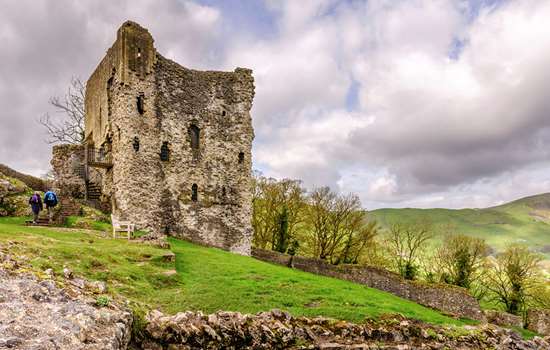
Combining a royal castle and medieval cathedral within an Iron Age fortification, Old Sarum is one of the most historically significant sites in southern England.