Search Results
153 results for framlingham castle
Page
20 Questions Quiz: Women's History Month
Test your knowledge with our quiz for Women's History Month
Property
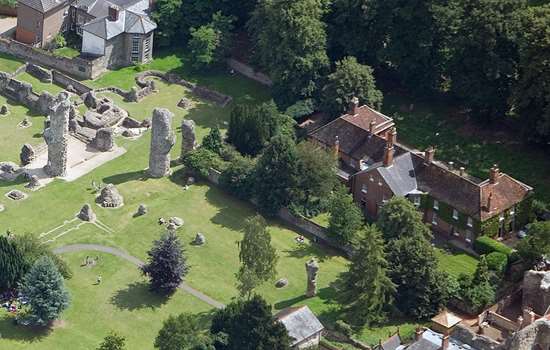
The extensive remains of one of the wealthiest and most powerful Benedictine monasteries in England, shrine of St Edmund.
News
Leave your Christmas decorations up until February, says English Heritage
After an especially tough year and to bring some cheer into the coming dark winter months, English Heritage is encouraging the public to do as their medieval ancestors did and leave up their festive adornments until Candlemas on 2 February.
News
English Heritage unveils mysterious CCTV image and haunting new tales from historic sites
From whispers of ghostly piano music to figures fading into the mist, a spine-tingling array of new ghostly goings on have been reported by English Heritage staff based at castles, abbeys and historic houses across the country.
News
Study reveals jousters are as fit as today's top athletes
Jousters need fitness to rival professional footballers, top tennis players and Formula 1 drivers, English Heritage research reveals.
News
Romans, Victorians and the World Wars top the list of the UK's favourite eras, new research shows
While many on social media may be thinking daily about the Roman Empire, the World Wars (1914-1918 & 1939-1945) came out on top (15%) in a new study released today looking at the UK’s favourite historical era.
Page
The architecture of early Tudor England displayed continuity rather than change. Churches great and small were built in the Perpendicular Gothic style of the later Middle Ages. Later in the 16th century, however, the great country house came into its own.
Page
The Norman Conquest was achieved largely thanks to two instruments of war previously unknown in England: the mounted, armoured knight, and the castle. The former was a key factor in William the Conqueror’s triumph at Hastings, while the latter dramatically militarised the English landscape.
Page
Tudor parks and gardens provided an opportunity for dramatic displays of newly found wealth, success and power. Particularly during Elizabeth I’s reign, elaborate formal gardens and extensive pleasure grounds became essential accessories of fashionable mansions.