Search Results
57 results for yarmouth castle
Property
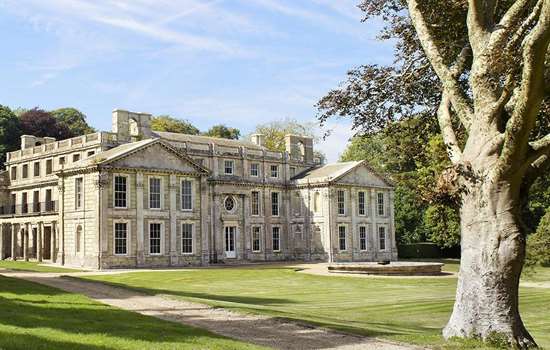
The shell of Appuldurcombe, once the grandest house on the Isle of Wight and still an important example of English baroque Architecture stands in 'Capability' Brown-designed grounds.
Page
Quiz: Guess the English Heritage sites painted by JMW Turner
One of Britain's best-loved painters, JMW Turner painted 35 sites across England that are now cared for by English Heritage. We've selected 10 of these paintings - can you identify which sites the paintings feature?
Page
Significance of Pendennis Castle
Pendennis represents one of the finest surviving examples of a coast fortress in England.
Property
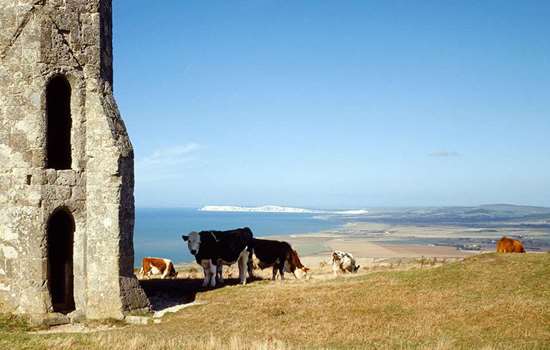
A tall medieval octagonal tower, allegedly a lighthouse, built here in 1328 as penance for stealing church property from a wrecked ship.
Page
Get inspired for the perfect group day out at English Heritage. Craft your perfect group itinerary from our helpful list of suggestions.
Page
Any season is great to go exploring and enjoy the great outdoors, either by yourself or with family or friends. Whether you’re looking for an amble or an invigorating hike, we’ve curated a selection of walks that take in some of our most atmospheric properties.
News
NO TRICKS, JUST TREATS: TRY A MEDIEVAL SOUL CAKE AS ENGLISH HERITAGE CASTLES STAY OPEN AFTER DARK
English Heritage has re-created medieval sweet treat for Halloween From Battle Abbey and Framlingham Castle to Eltham Palace, an “unlucky” 13 English Heritage sites are offering the special historic treat to trick or treaters Trick or treat sessions run from 28-31 October
News
Donation of £11.2m by UK charity, the Hamish Ogston Foundation - largest in English Heritage’s history - will underpin the programme
News
A ground-breaking heritage apprenticeship programme, designed to pass the dying skill of flint-working to a younger generation, was announced today by English Heritage, following a major donation of £11.2m to the charity from the Hamish Ogston Foundation. This is the largest donation ever received by English Heritage.
Page
From grand stately homes and spectacular castles to beautiful gardens and remarkable ruins, the East of England is packed with places to visit.