KNIGHT, Harold (1874-1961) & KNIGHT, Dame Laura (1877-1970)
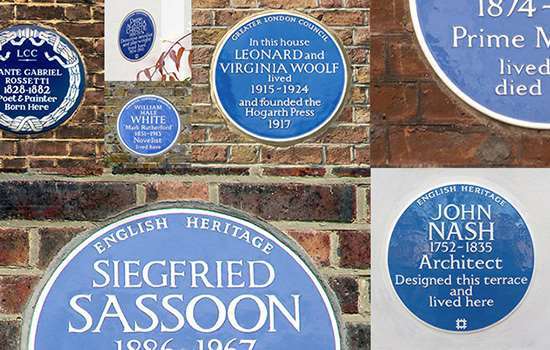
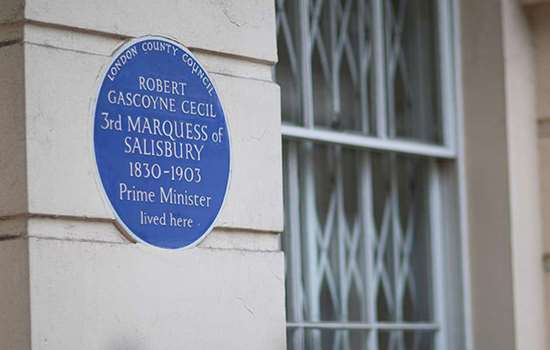
Plaque erected in 1983 by Greater London Council at 16 Langford Place, St John's Wood, London, NW8, City of Westminster
All images © English Heritage
Profession
Painters
Category
Fine Arts
Inscription
DAME LAURA KNIGHT 1877-1970 and HAROLD KNIGHT 1874-1961 Painters lived here
Material
Ceramic
Painters Laura and Harold Knight were leading painters and Royal Academicians. A plaque commemorates them at their former home, 16 Langford Place, St John’s Wood.
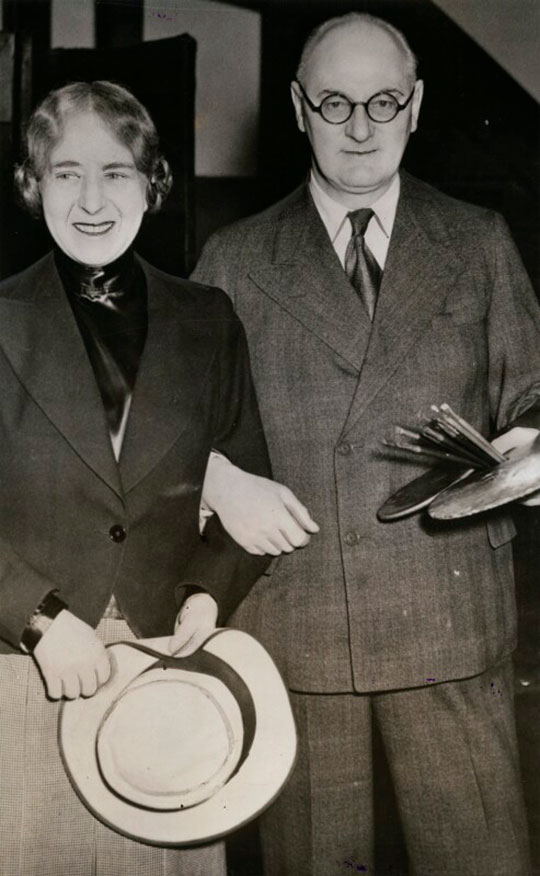
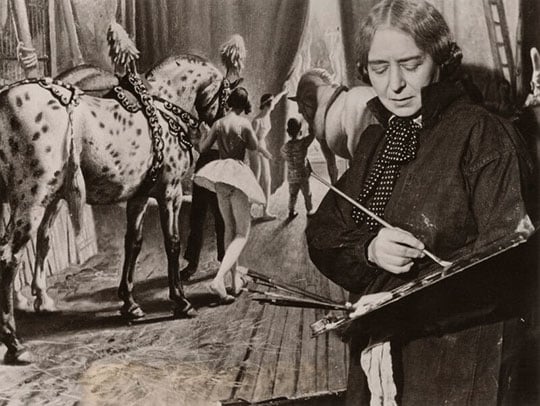
Laura Johnson and Harold Knight met as teenagers at Nottingham School of Art in 1891; Harold was a Nottingham native, while Laura had been born not far away in Long Eaton, Derbyshire. They married in 1903 and continued to paint but each retained their own distinctive artistic style. Harold became best known for his portraits, while Laura was known for her lively evocations of ballet and circus life.
The couple spent a period at Newlyn in Cornwall and began to exhibit and successfully sell work, particularly in London. Harold experienced criticism and ostracism following his declaration as a conscientious objector in 1917, and his poor health after being made to work as a farm labourer led the couple to move to London in 1919.
London life
In 1922, the Knights took a long lease on the substantial house on Langford Place, then numbered 9 and dating from the late 19th century, where each had a studio. They were keen to live near their markets and mix with other artists. The Knights became friends with artists, musicians, performers and stars of the ballet such as Anna Pavlova and Vaslav Nijinsky. Later they bought the freehold of the house, which was renumbered 16 in 1930, and they also bought the freeholds for the neighbouring numbers 12 and 14.
In the late 1920s, Laura visited the circus at Olympia and painted trapeze artists, clowns, bareback riders and circus animals. These works, such as Charivai or The Grand Parade (1928), made her name. Both Knights competed in the painting event at the 1928 Art Olympics; Laura won a silver medal and was appointed DBE in 1929. In the 1930s, Laura became acquainted with Romani people at the races and they became the focus of her work for many years. In 1936, she became the first woman to be elected a full Royal Academician – the honour was extended to Harold a year later.
War and later life
During the Second World War, the Knights relocated to Malvern, Worcestershire, where they had often stayed to attend the annual festival run by Barry Jackson. Laura was chosen as one of 52 women war artists and travelled the country to paint war heroes, women balloon makers, munitions workers, aircraft constructors and factory workers. In 1946, she was commissioned to produce a record of the Nuremberg trials of Nazi war criminals, a harrowing experience that she later described in her autobiography.
The Knights returned to Langford Place after the war, dividing their time between there and Malvern. When Harold died in Colwall, Herefordshire – their country retreat for many years – Laura continued to live in Langford Place. A major retrospective of her work at the Royal Academy in 1965 was the first for a woman at the Academy. Laura Knight died at the house in 1970, at the age of 92. The work of both Laura and Harold Knight may be found in many leading collections, including Tate Britain and the Royal Academy.
Further reading
-
Janet Dunbar, ‘Knight [née Johnson], Dame Laura (1877–1970)’, Oxford Dictionary of National Biography (2009) (access with a UK public library card)
-
Laura Knight, The Magic of a Line (London, 1965)