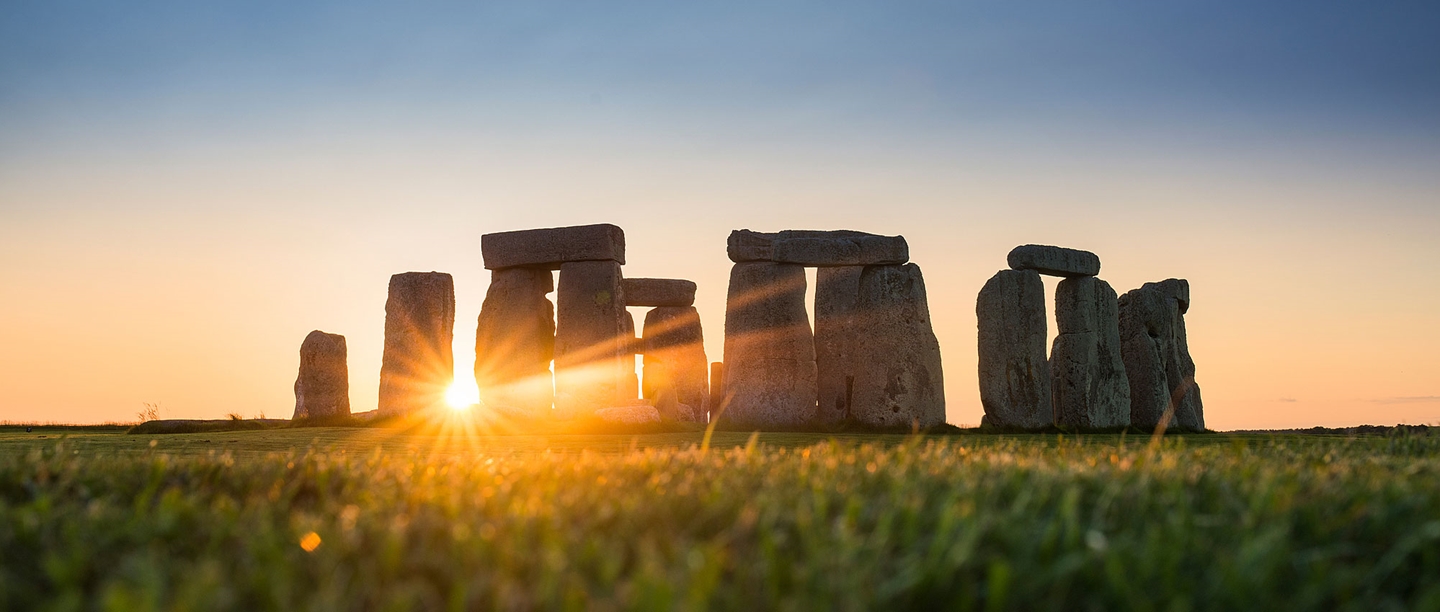
Introduction to prehistoric England
Prehistory is the time before written records. It’s the period of human history we know the least about, but it’s also the longest by far.
The earliest known humans arrived in these lands around 900,000 years ago. Prehistory stretches from then until the Roman invasion in AD 43. Over this time, these lands underwent huge climactic, societal, political, technological and geological changes.
The distant past
To deal with the massive spans of time in this period, archaeologists traditionally divide prehistory into three main periods: the Stone, Bronze and Iron ages, named after the main technologies used at the time. And each period is subdivided – for example, the Stone Age into the Palaeolithic, Mesolithic and Neolithic (Old, Middle and New Stone Ages).
These terms are seen as old-fashioned by some archaeologists, who prefer to use more specific terms like ‘Beaker period’ to reflect subtle developments in society, culture and technology. But the old, broad chronological divisions are still useful.
Archaeologists are using some of the most cutting-edge technology to find out more about our distant past. Recent archaeological finds, as well as new scientific techniques, have overturned old certainties. Isotopic and DNA analysis of animal and human remains, chemical analysis of stone tools and pottery, and new ways of interpreting radiocarbon dating are all helping to challenge long-held ideas and raise new questions about this fascinating opening chapter of England’s story.
The earliest humans
In 2010 archaeologists working near Happisburgh in Norfolk uncovered flint tools dated to about 900,000 years ago. The people who used them were early humans (known as hominoids) who periodically visited Britain in warmer eras between Ice Ages.
During this time Britain wasn’t an island, but a peninsula of the European continent. What is now the river Thames ran into the North Sea at Happisburgh.
The oldest human remains so far found in England date from about 500,000 years ago, and belonged to a six-foot tall man of the species Homo heidelbergensis. Shorter, stockier Neanderthals visited Britain between 300,000 and 35,000 years ago, followed by the direct ancestors of modern humans.
Ice Age humans created the earliest known cave art in England at Creswell Crags in Derbyshire about 13,000 years ago.
Hunters and gatherers (9500–4000 BC)
Continuous human occupation of Britain began as the climate improved at the end of the last Ice Age. People in Britain at this time were still hunters and gatherers who made use of wild plants and animals. Although most of these people were probably nomadic, recent discoveries of buildings suggest that some had settled lifestyles.
By about 6500 BC, rising seas had inundated the land bridge with Europe, making Britain an island.
First farmers (from 4000 BC)
Perhaps the most important development in human history, farming was first introduced to Britain around 4000 BC. The people who brought the techniques to the island must have travelled from Europe by boat.
Although they farmed pulses, barley and wheat, people still relied on wild food and resources. And rather than settle in one place, they still moved around within territories. These territories were focused on great communal monuments. Some were gathering places like the causewayed enclosure at Windmill Hill, Wiltshire (built about 3650 BC). Others were burial sites with impressive long barrows. Many had stone chambered tombs, such as Belas Knap, Gloucestershire, West Kennet Long Barrow, Wiltshire (both about 3650 BC), and Wayland’s Smithy, Oxfordshire (about 3400 BC).
Sacred landscapes (3500–2300 BC)
New types of monuments appeared in the middle and late Neolithic periods, including timber circles like Woodhenge (about 2300 BC), earth mounds such as Silbury Hill, Wiltshire (about 2400 BC), stone circles like Castlerigg, Cumbria (about 3000 BC), and earthwork henges such as Thornborough, North Yorkshire, and Knowlton, Dorset.
Henges and circles were sometimes combined. The stone circles at Avebury and Stonehenge (both about 2500 BC) are among the best examples of this. And in some places, several different types of monuments were built in the same area over long periods. You can get a good sense of these sacred landscapes at Marden Henge, Avebury and Stonehenge.
During this period, flint for tools and weapons was being extracted at Grime’s Graves, Norfolk (first mined between 2600 and 2200 BC).
The Bronze Age (2300–800 BC)
In about 2300 BC the first metal weapons and jewellery began to arrive in Britain, along with a new kind of pottery known as Beaker. People were buried with these objects in individual graves, some of which were covered with round barrows. At first the metal used was copper, but by about 2200 BC bronze (an alloy of copper and tin) was being worked in Britain.
During the early Bronze Age, some people were buried in rich graves within round barrows, accompanied by exotic imported goods. These burials have been found in the area around Stonehenge, but also in Yorkshire and Derbyshire.
Often these burials were grouped in barrow cemeteries, such as Flowerdown Barrows, Hampshire, and Winterbourne Poor Lot Barrows, Dorset. These rich, individual burials signify a shift from the great Neolithic communal monuments.
During the middle and late Bronze Age, landscapes were divided up by great field systems and people built permanent round houses, often grouped into villages such as Grimspound in Devon. Elsewhere, competition for land and a need for security prompted the construction of the earliest hillforts.
The Iron Age (800 BC–AD 43)
In the early and middle Iron Age people built bigger and more elaborate hillforts like Maiden Castle in Dorset and Old Oswestry in Shropshire. They also began to make weapons and tools out of iron. Evidence of ritual offerings of military equipment and fine metalwork suggest the dominance of a warrior aristocracy and the emergence of tribal territories.
The late Iron Age saw the first coinage and the emergence of tribal centres such as Lexden Earthworks, Essex, and Stanwick Iron Age Fortifications, North Yorkshire. And it’s during this period that Britain came into contact with the Roman world, as at Silchester, Hampshire.
And with this contact came the first written records of life on the island, from Greeks and Romans. The most famous notes were made by Julius Caesar, who raided Britain in 55–54 BC. Accounts from the period mention chariot warfare and religious leaders called Druids, who supposedly worshipped in oak groves and performed sacrifices.
Nearly a hundred years after Caesar’s raids, the emperor Claudius ordered a full scale invasion – and this time the Romans intended to stay.
Prehistory Stories
-
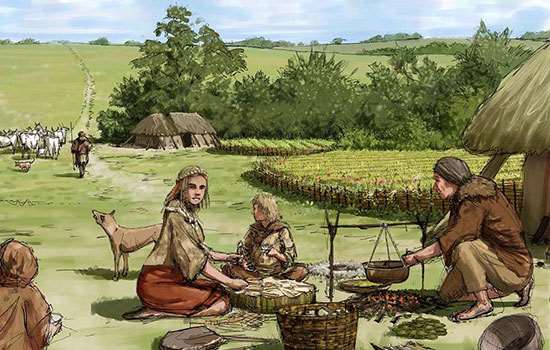
Food and Feasting at Stonehenge
Find out what the people who built and used Stonehenge ate, how they cooked and served their food, and the cutting-edge science behind these discoveries.
-
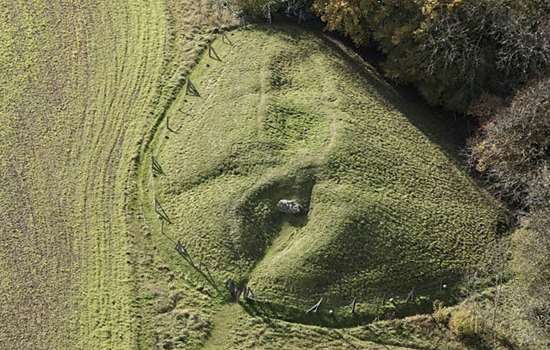
Long Barrows and Broken Bones
What the atmospheric, evocative long barrows of the Cotswold Hills and Marlborough Downs reveal about burial practices and attitudes to death in the early Neolithic period.
-
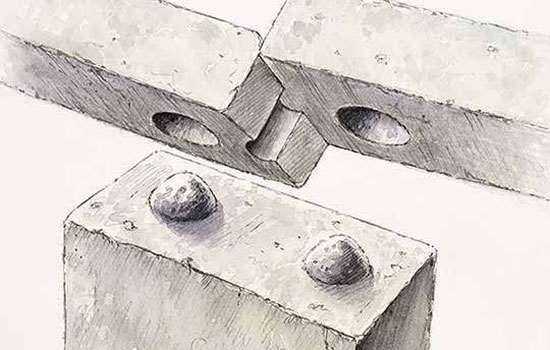
Building Stonehenge
Stonehenge is a masterpiece of engineering. How did Neolithic people build it using only the simple tools and technologies available to them?
-
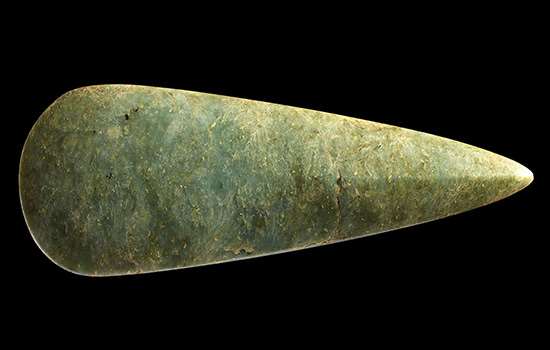
Making Connections: Stonehenge in its Prehistoric World
At the time of Stonehenge, people connected with others and with the world around them by making and sharing objects. Explore the story of these connections.
-
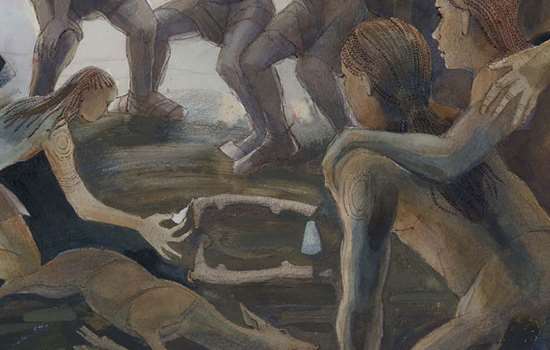
Ritual Mysteries in a Prehistoric Flint Mine
What finds at Grime’s Graves in Norfolk reveal about the significance of mining, and the value of flint, to Neolithic communities.
-
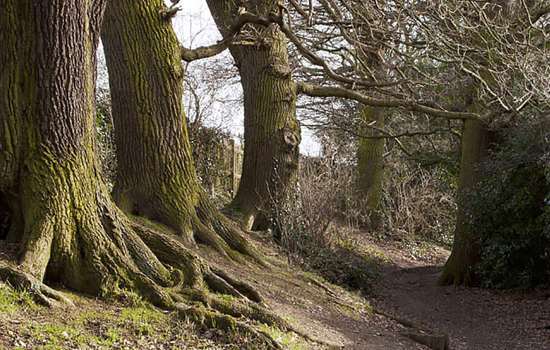
Iron Age Kings and their Roman Connections
How burial goods from Essex provide tantalising glimpses of rich and powerful leaders in Iron Age Britain, and their strong links with the Roman world.
-
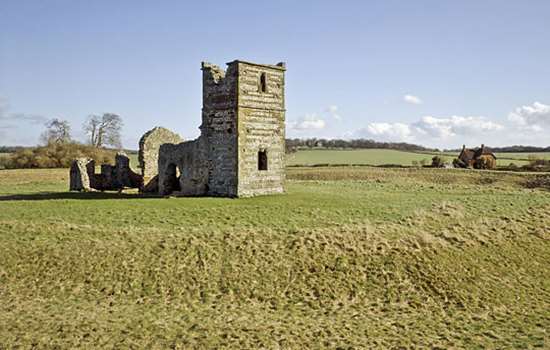
Prehistoric Earthworks and Their Afterlife at Knowlton
How a unique group of Neolithic monuments in Dorset have remained a significant and atmospheric presence for 4,000 years.