Search Results
370 results for stonehenge history
Page
History of Kit’s Coty House and Little Kit’s Coty House
These two huge stone structures, 450 metres apart, were built nearly 6,000 years ago as burial monuments, to hold the bones of some of Britain’s earliest farmers.
Page
September may signal the end of the sunny summer months and the start of the new school year, but there’s still plenty to feel cheery about. We’ve got lots planned to ease you into autumn including a fabulous exhibition of costumes used in the new film ‘Victoria and Abdul’.
Page
Discover the best days out on the Isle of Wight; from Queen Victoria and Prince Albert's ultimate holiday home of Osborne to the islands iconic castle.
Property
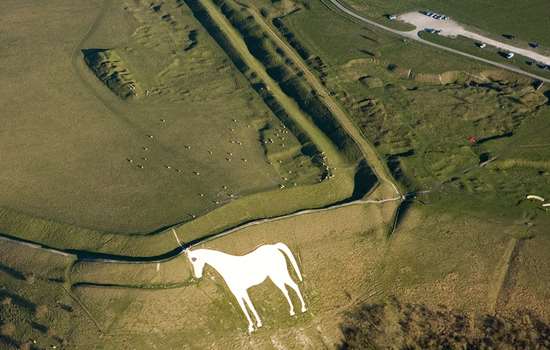
Below an Iron Age hillfort stands the Westbury White Horse. Cut into the hillside in 1778, it replaced an older horse, possibly commemorating King Alfred's nearby victory over the Vikings.
Property
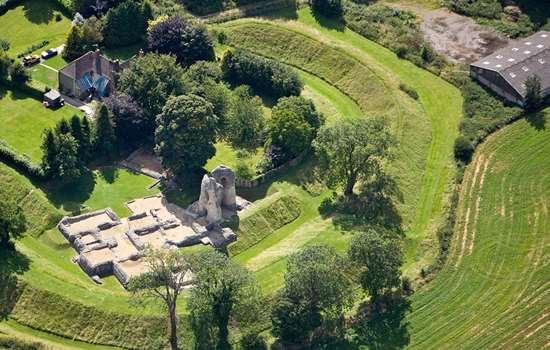
The ruins and earthworks of a royal castle dating mainly from the 12th and 13th centuries, frequently used as a hunting lodge. The remains of the medieval cross stand in the centre of the village.
Page
How to grow dahlias and why you should
Writer and gardener Arthur Parkinson describes why he loves dahlias so much, and how and why to grow them.
Page
Myths, legends and folklore are intricately linked with the stories of England’s past. But while a lot of these are carried through generational stories and historical literature, tangible associations live on at the historic places we care for.
Page
20 Questions Quiz: Autumn and Winter Traditions
Test your knowledge of autumn and winter traditions with this quiz